Winter Workplace Safety: Heating Hazards and Emergency Considerations
Manage winter heating hazards in the workplace. Address portable heater risks, electrical loads, and fire safety during the colder months.
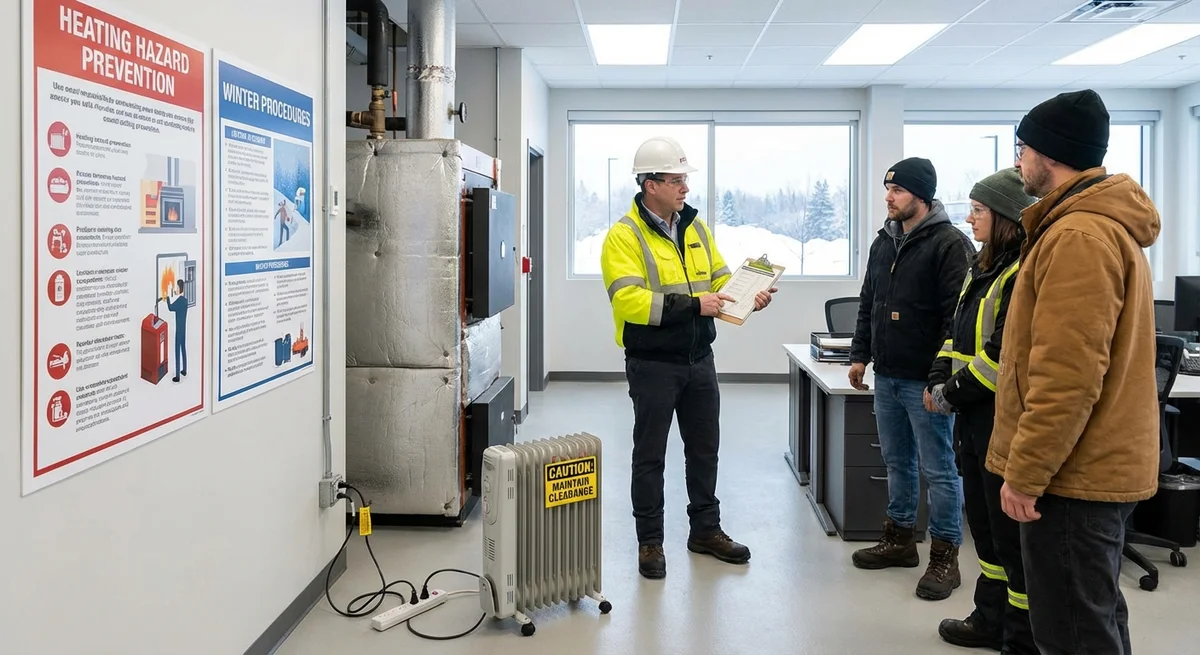
Understanding Seasonal Risks
Winter Workplace Safety: Heating Hazards and Emergency Considerations addresses risks that vary throughout the year. Effective emergency management adapts to these seasonal changes rather than using one-size-fits-all approaches.
This is particularly relevant for organisations in Victoria, Act.
Seasonal Risk Profiles
How Seasons Affect Emergency Risk
Australian workplaces face different risks at different times of year. Seasonal factors include weather conditions and natural hazards, occupancy patterns and staffing, operational changes, and equipment and building system demands.
Understanding your seasonal risk profile enables proactive preparation rather than reactive response.
Planning for Seasonal Variations
Your Emergency Management Plans should address seasonal scenarios specific to your location and operations. This might include different procedures for different conditions or seasonal checklists and preparation activities.
Seasonal Preparation
Before the Season
Proactive preparation reduces risk and improves response. Consider equipment checks and maintenance, staff briefings on seasonal procedures, review of emergency contact information, stockpiling of seasonal supplies, and system testing (heating, cooling, communications).
During the Season
Maintain heightened awareness during peak risk periods. Monitor weather warnings and forecasts, conduct more frequent inspections, brief staff on current conditions, and test communication systems regularly.
After the Season
Use the off-season for review what worked and what didn’t, updating procedures based on learnings, training and exercises to prepare for next year, and equipment maintenance and replacement.
Staff Awareness and Training
Seasonal Briefings
Provide seasonal briefings to ensure staff understand current risks and relevant procedures, what to watch for and report, any changes to normal operations, and communication and escalation procedures.
Warden Preparation
Ensure your fire wardens are prepared for seasonal scenarios. This might include additional briefings or scenario-based discussions.
Exercise Timing
Consider scheduling evacuation exercises during relevant seasons to test seasonal procedures under realistic conditions.
Communication and Monitoring
Weather Monitoring
For weather-related seasonal risks, establish monitoring arrangements including Bureau of Meteorology alerts, local council notifications, industry-specific warnings, and internal communication protocols.
Decision Triggers
Define clear triggers for action including when to implement protective measures, when to consider early closure, when to activate shelter procedures, and when to escalate to emergency services.
Staff Communication
Ensure you can communicate with staff during seasonal events. This includes contact details for all staff, communication methods that work during events, clear responsibility for communications, and pre-prepared message templates.
Building and Equipment Considerations
Seasonal Equipment
Some seasonal risks require specific equipment. Ensure you have required equipment available, equipment is maintained and functional, staff know how to use equipment, and storage and accessibility are appropriate.
Building Systems
Seasonal demands affect building systems including HVAC systems during extreme temperatures, drainage during heavy rain periods, backup power during storm seasons, and communication systems in all conditions.
Regular maintenance reduces the risk of failures during critical periods.
Seasonal Inspections
Conduct inspections before and during seasonal risk periods covering evacuation routes and exits, emergency equipment, building fabric and grounds, and systems under seasonal stress.
Recovery Planning
After Seasonal Events
Have procedures for recovery after seasonal events including damage assessment, safe return to operations, staff welfare and support, documentation and reporting, and insurance and business continuity.
Lessons Learned
Every seasonal event, whether actual emergency or near-miss, provides learning opportunities. Capture these through debriefs and formal reviews, then incorporate improvements.
How Messana Group Can Help
We help organisations prepare for and respond to seasonal risks through:
- Fire Warden Training, Emergency Plans addressing seasonal scenarios
- Emergency plan development including seasonal procedures
- Seasonal briefings and training for wardens and staff
- Evacuation exercises testing seasonal response
- Compliance administration maintaining year-round readiness
This is particularly relevant for organisations in Victoria, Act.
Next Steps
Prepare for seasonal risks with professional support. Contact Messana Group or call 1300 622 030 to discuss your seasonal emergency management needs.
Related Services
Need Help With Emergency Management?
Contact us for a free compliance assessment and discover how we can help your organisation.