School Lockdown Procedures: Protecting Students When Evacuation Is Not Safe
Develop effective school lockdown procedures for when evacuation isn't safe. Protect students and staff during security threats and dangerous situations.
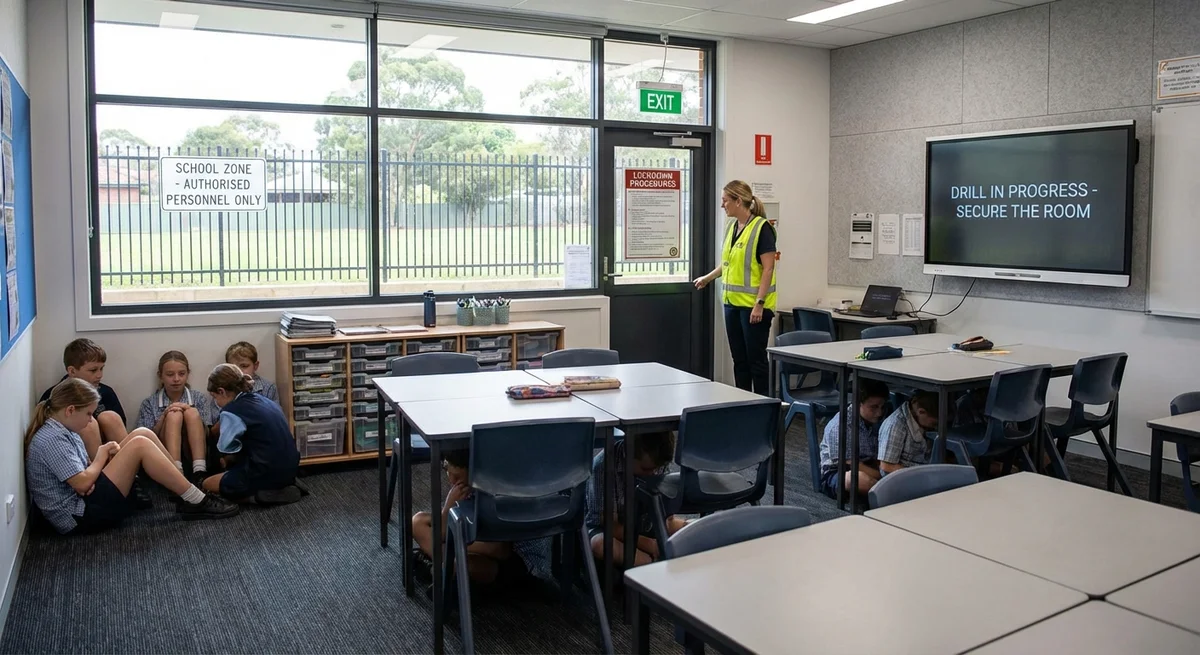
Understanding the Unique Challenges
School Lockdown Procedures: Protecting Students When Evacuation Is Not Safe requires specialised approaches that go beyond standard emergency management. Every industry has unique characteristics that affect Emergency Management Planning and response.
Industry-Specific Risks and Considerations
Occupant Characteristics
Different industries involve different people with varying needs during emergencies. Understanding your occupant profile is essential for effective planning.
Consider factors such as mobility levels and assistance requirements, familiarity with the facility, cognitive capacity and communication needs, and dependency on staff for evacuation.
Operational Characteristics
Your operations affect emergency management requirements including operating hours and shift patterns, equipment that can’t simply be abandoned, processes that require controlled shutdown, and security and access control considerations.
Regulatory Environment
Beyond general WHS requirements, many industries face sector-specific regulations affecting emergency management. Understanding these requirements is essential for compliance.
Developing Industry-Appropriate Plans
Risk Assessment
Start with a thorough risk assessment considering industry-specific hazards, occupant vulnerability factors, operational constraints, regulatory requirements, and physical facility characteristics.
Your Emergency Management Plans should reflect these findings.
Procedure Design
Generic procedures don’t work for specialised industries. Your procedures should address how emergencies will be identified and communicated, who makes decisions and how, how occupants will be evacuated or protected, what happens to operations and equipment, and how you’ll coordinate with emergency services.
Resource Planning
Consider the resources needed for effective response including staffing levels required for safe evacuation, equipment for occupant assistance, communication systems, and training and exercise requirements.
Training for Specialised Environments
Warden Selection
In specialised industries, warden selection may need to consider industry-specific knowledge, relationship with occupants (particularly in care settings), technical capabilities for equipment management, and availability across operating hours.
Customised Training
Standard fire warden training provides a foundation, but industry-specific content should address particular procedures for your environment, industry-specific scenarios and challenges, equipment and systems unique to your operations, and regulatory requirements affecting your sector.
Our training programs can be customised for your industry.
Practical Exercises
Evacuation exercises in specialised industries need careful design to test realistic scenarios, include appropriate participants, assess industry-specific procedures, and avoid causing harm or distress.
Coordination Considerations
With Emergency Services
Emergency services may need industry-specific information to respond effectively. Consider pre-planning visits and familiarisation, information packages for first responders, access and hazard information, and special considerations for your occupants.
With Related Organisations
Many industries involve coordination with parent organisations or franchisors, regulatory bodies, industry associations, neighbouring facilities, and supply chains.
Internal Coordination
Complex operations may require coordination between departments and shifts, with contractors and visitors, during handover periods, and across multiple sites.
Common Challenges and Solutions
Challenge: Balancing Safety and Operations
Emergency procedures that ignore operational realities won’t be followed. Design procedures that address both safety requirements and operational needs.
Challenge: Occupant Compliance
Some occupant populations may not cooperate with standard evacuation procedures. Develop approaches suited to your occupants.
Challenge: Regulatory Complexity
Multiple overlapping regulations can create confusion. Ensure your procedures meet all applicable requirements through careful planning and professional guidance.
Challenge: Resource Constraints
Limited resources require prioritisation. Focus on the most critical risks and build capability over time.
Maintaining Industry-Specific Competence
Ongoing Training
Staff turnover and changing requirements mean training must be ongoing, not one-off. Establish regular training cycles.
Exercise Programs
Regular evacuation exercises validate your procedures and maintain readiness. Exercise design should reflect industry-specific scenarios.
Plan Review
Your Emergency Management Plans should be reviewed regularly and updated for any changes affecting your operations.
How Messana Group Can Help
We have extensive experience across many industries. Our services include:
- Lockdown Plans, Active Armed Offender Training, Emergency Plans tailored to your industry
- Emergency plan development addressing industry-specific requirements
- Customised training for your operational environment
- Evacuation exercises designed for your occupant population
- Compliance administration managing industry-specific requirements
Next Steps
Develop emergency management suited to your industry. Contact Messana Group or call 1300 622 030 for specialised consulting.
Related Services
Need Help With Emergency Management?
Contact us for a free compliance assessment and discover how we can help your organisation.