Emergency Management for Aged Care Facilities: A Comprehensive Guide
Complete guide to emergency management in aged care settings covering resident evacuation considerations, PEEPs, staff training, and regulatory requirements.
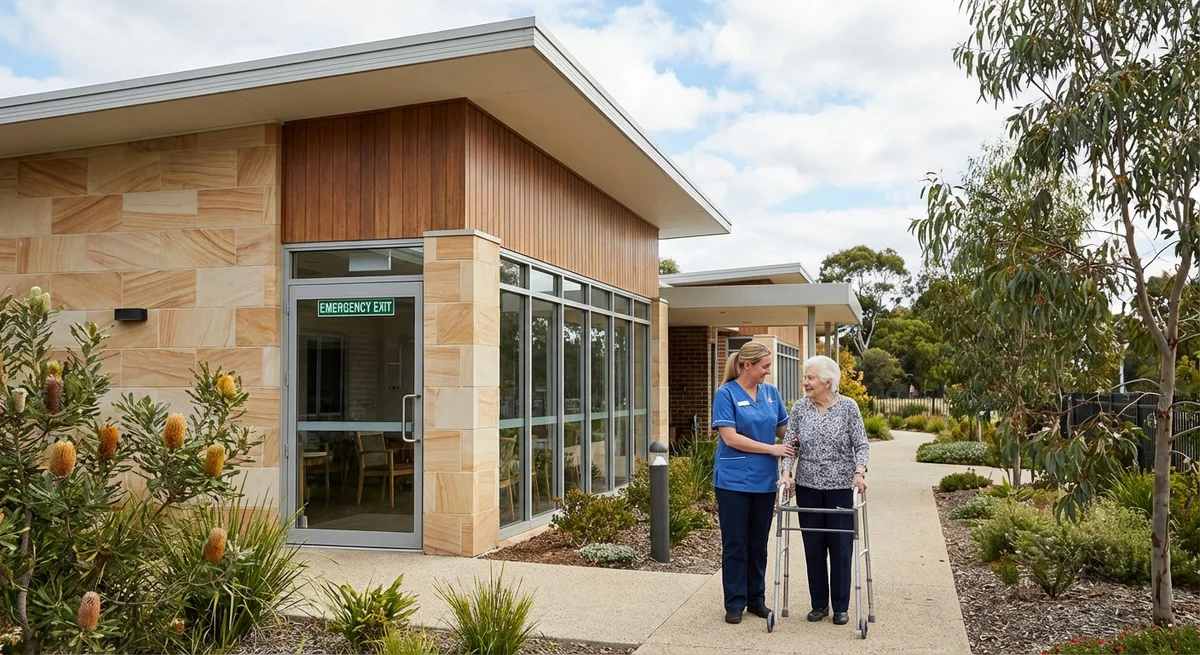
Unique Challenges of Emergency Management in Aged Care
Aged care facilities face emergency management challenges unlike any other workplace. The combination of vulnerable residents, complex medical needs, and 24/7 operations requires specialised approaches that go well beyond standard office evacuation procedures.
Understanding these unique challenges—and developing appropriate responses—is essential for protecting residents and meeting regulatory obligations.
Resident Evacuation Considerations
Mobility Challenges
Many aged care residents cannot evacuate independently. Your Emergency Management Plans must account for:
- Wheelchair users: Requiring accessible routes and potentially evacuation chairs for stairs
- Walking frame users: Slower movement and need for clear, wide corridors
- Bedridden residents: Requiring stretchers, evacuation sleds, or bed-based movement
- Residents with balance issues: Needing staff support and handrails
Cognitive Impairment
Residents with dementia or cognitive decline present additional challenges:
- May not understand evacuation instructions
- May become confused or distressed during alarms
- May not recognise danger or the need to move
- May resist assistance or wander
- May not remember evacuation routes even if previously shown
Staff training must address these situations with patience, reassurance techniques, and appropriate supervision ratios.
Medical Equipment Dependencies
Some residents rely on medical equipment that complicates evacuation:
- Oxygen therapy equipment
- IV lines and medication pumps
- Monitoring equipment
- Dialysis equipment
- Ventilators
Procedures must address whether equipment moves with residents, backup power at assembly areas, and clinical decision-making during emergencies.
Personal Emergency Evacuation Plans (PEEPs)
What is a PEEP?
A Personal Emergency Evacuation Plan documents the specific assistance an individual resident needs during evacuation. In aged care, every resident should have a PEEP that’s regularly reviewed and updated.
PEEP Components
Each resident’s PEEP should include:
- Current mobility status and any aids used
- Cognitive status and communication needs
- Medical equipment dependencies
- Preferred evacuation method and route
- Number of staff required for assistance
- Any behavioural considerations during emergencies
- Emergency contact details for family
Keeping PEEPs Current
Resident needs change, often rapidly. Ensure PEEPs are reviewed when residents are admitted, after any health status change, following falls or incidents, at regular intervals (monthly recommended), and when evacuation exercises reveal issues.
Staff Training Requirements
Core Emergency Competencies
All aged care staff need training in:
- Recognising emergency situations
- Activating alarms and emergency response
- Basic evacuation procedures
- Assisting residents with various mobility levels
- Calming and reassuring distressed residents
Our fire warden training can be customised for aged care environments.
Specialised Skills
Designated wardens and supervisors need additional training in coordinating multi-resident evacuations, using evacuation equipment (chairs, sleds, stretchers), making clinical decisions during emergencies, communicating with emergency services, and managing post-evacuation care.
Training Frequency
Given staff turnover in aged care, training should include comprehensive induction for new staff, regular refreshers (minimum annually, ideally more frequent), participation in evacuation exercises, and competency assessments for equipment use.
Regulatory Requirements
Aged Care Quality Standards
The Aged Care Quality Standards require providers to demonstrate effective emergency and disaster management. Standard 8 (Organisational governance) specifically addresses Emergency Management Planning.
State and Territory Requirements
In addition to federal aged care regulations, facilities must comply with state/territory WHS legislation, fire safety regulations, and building codes.
Documentation Requirements
Aged care facilities must maintain comprehensive emergency management documentation including Emergency Management Plans and procedures, staff training records, evacuation exercise records, equipment maintenance logs, and resident PEEPs.
Progressive Horizontal Evacuation
What is Progressive Horizontal Evacuation?
In multi-storey aged care facilities, evacuating all residents via stairs is often impractical. Progressive horizontal evacuation involves moving residents to a safe area on the same floor—typically a fire-compartmented zone.
Implementation Considerations
This approach requires building design that supports horizontal evacuation (fire compartments), clear procedures for determining when horizontal vs full evacuation is appropriate, staff understanding of fire compartment boundaries, communication systems between zones, and pre-positioned equipment in each zone.
Coordination with Emergency Services
Pre-Planning with Fire Services
Aged care facilities should establish relationships with local fire services including facility familiarisation visits by fire crews, shared understanding of building layout and access, knowledge of resident population and evacuation challenges, and agreed communication protocols during incidents.
During Emergencies
When emergency services arrive, be prepared to provide current resident numbers and locations, residents requiring priority evacuation, building access information, hazard information (oxygen storage, etc.), and available staff and their capabilities.
Conducting Evacuation Exercises
Exercise Requirements
AS 3745 requires evacuation exercises at least annually, but aged care facilities should exercise more frequently given staff turnover and changing resident populations.
Exercise Design Considerations
Aged care exercises need careful design to test realistic scenarios without causing resident distress, involve appropriate numbers of residents (may start with small groups), assess PEEP effectiveness, identify timing and resourcing issues, and include scenarios outside normal staffing hours.
Our evacuation exercises service includes specialised approaches for aged care environments.
Night Shift Considerations
Reduced Staffing Challenges
Night shift emergencies present particular challenges due to reduced staff numbers, sleeping residents (slower to rouse and orient), reduced lighting, and staff potentially working alone in some areas.
Night-Specific Procedures
Your emergency plan should address minimum staffing requirements for safe evacuation, procedures for waking and orienting residents, priority sequencing when staff numbers are limited, and communication with on-call management and emergency services.
How Messana Group Can Help
With extensive experience in aged care emergency management across Australia, Messana Group provides:
- Emergency plan development tailored to aged care requirements
- Fire warden training customised for aged care staff
- Evacuation exercises designed for vulnerable populations
- PEEP development guidance and templates
- Compliance assessments against aged care and WHS requirements
Next Steps
Protect your residents with emergency management designed for aged care. Contact us for specialised aged care consulting or call 1300 622 030 to discuss your facility’s needs.
Related Services
Need Help With Emergency Management?
Contact us for a free compliance assessment and discover how we can help your organisation.